
This content was aggregated from local dealer data and insights provided by the USA Today Network Automotive Insights team using Google Gemini and the Vehicles For Sale Near Kansas City marketplace writing team.
A heavy-duty diesel pickup can handle demanding work, towing, and everyday transportation, but winter introduces additional ownership considerations. Cold temperatures can affect battery performance, fuel behavior, starting, tire pressure, and the time a diesel engine needs to reach operating temperature. For Kansas City drivers considering a 2027 Ram 2500 diesel, preparing for Missouri winters means understanding these needs before the first freezing morning arrives.
Winter preparation is not just a checklist of accessories. It starts with knowing the truck's exact engine configuration, following manufacturer maintenance guidance, and planning for the conditions in which it will operate. Buyers should also consider the recurring costs of cold-weather ownership when comparing a new Ram 2500.
Diesel cold-weather operation calls for attention to several systems. Batteries, fuel, engine oil, coolant, tires, and the vehicle's starting system all deserve consideration as temperatures fall.
Battery condition is particularly important. Cold weather can reduce available battery performance, while starting a diesel engine places substantial demands on the electrical system. Before winter, have the batteries and charging system inspected according to the manufacturer's maintenance recommendations. Check connections for corrosion or looseness, and replace a battery that no longer meets the required specifications.
Fuel is another consideration. Diesel fuel can be affected by very low temperatures, and winter-blended fuel is commonly used in colder conditions to help reduce cold-weather operability problems. Ask the fuel supplier about seasonal fuel availability and follow the guidance in the owner's manual. If an approved anti-gel additive is being considered, verify compatibility and use instructions rather than adding products indiscriminately.
A practical winter preparation checklist includes:
Have the batteries and charging system tested.
Inspect battery terminals and electrical connections.
Follow the recommended engine oil specification and service schedule.
Check coolant condition and freeze protection.
Use the appropriate seasonal diesel fuel for local conditions.
Inspect fuel filters and follow replacement guidance.
Check tire pressure and tread condition.
Confirm that exterior lights, wipers, and defrost systems work properly.
Keep the fuel level adequate for your expected driving conditions.
Review the owner's manual for cold-weather starting and operation instructions.
Avoid relying on extended idling as a universal warm-up strategy. Follow the manufacturer's cold-start guidance, allow the engine to operate appropriately, and drive gently until the vehicle reaches normal operating conditions.
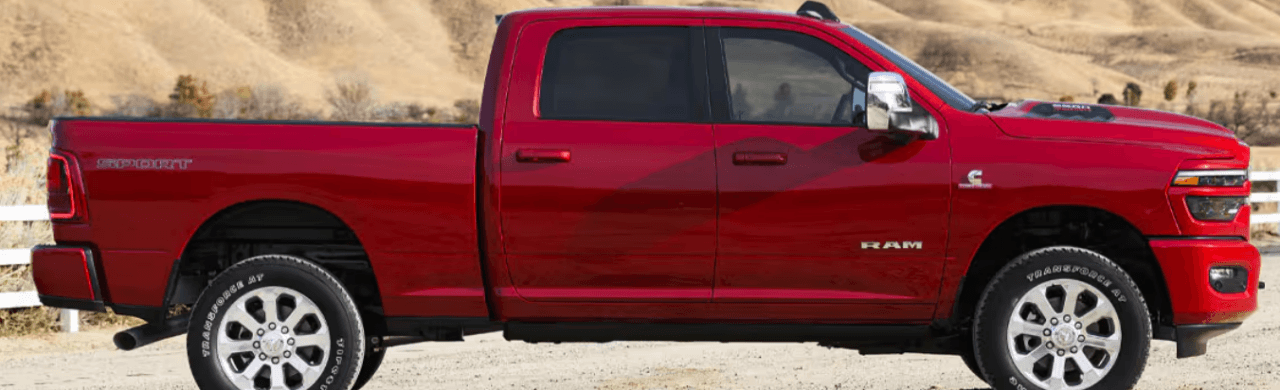
The 2027 Ram 2500 is a heavy-duty pickup, but its exact equipment and operating requirements depend on the selected configuration. Buyers interested in a diesel model should verify the engine and equipment details of the specific truck rather than assume every Ram 2500 has the same maintenance needs.
Ask which diesel engine is installed and review the owner's manual for the applicable oil, coolant, fuel, and service requirements. Confirm the recommended battery specifications and whether the vehicle has any factory-installed cold-weather equipment relevant to your plans.
Winter capability also depends on the rest of the truck. Drivetrain, tires, payload, and the type of work you perform all influence how the vehicle should be prepared. Four-wheel drive may be useful in certain low-traction conditions, but it does not replace suitable tires or careful driving. If the truck will tow or haul through winter, account for the added demands of the load and changing road conditions.
During a vehicle review, pay attention to:
The exact engine and drivetrain configuration
Battery specifications and condition
Factory-installed cold-weather equipment, if any
Recommended oil and coolant requirements
Fuel-filter service information
Tire type, tread depth, and pressure
Available heating, defrost, and visibility features
Owner's manual guidance for cold-weather use
A test drive can help you assess seating, visibility, controls, and everyday comfort. It cannot replace checking the manufacturer's specifications or confirming that the truck is equipped for the work you intend to do.
The purchase price is only one part of owning a heavy-duty diesel pickup. Winter preparation can involve routine maintenance and occasional seasonal expenses, so buyers should consider these costs when deciding which truck fits their budget.
Battery testing and eventual replacement are part of long-term ownership. Diesel pickups may have specific battery requirements, so replacement parts should match the manufacturer's specifications. The condition and age of the batteries matter more than simply choosing the least expensive option.
Fuel costs also deserve attention. Diesel prices vary, and consumption can change with temperature, driving conditions, vehicle load, and idling habits. Frequent short trips may create a different operating pattern from longer highway drives or regular towing. Consider how you will use the truck rather than estimating fuel expenses from a single ideal driving scenario.
Other potential expenses include:
Scheduled oil and filter service
Fuel-filter maintenance
Coolant inspection and service
Tire replacement and seasonal tire needs
Battery testing and replacement when necessary
Winter emergency supplies
Repairs or maintenance related to towing and heavy use
If the truck will tow equipment or a trailer, consider how winter conditions affect your operating plans. Verify towing and payload limits for the exact configuration, and account for the added weight of passengers, cargo, and trailer tongue weight where applicable.
A realistic ownership budget should include routine maintenance, fuel, insurance, registration, and a reserve for unexpected repairs. This approach helps buyers evaluate the complete cost of a new Ram 2500 rather than focusing only on its initial price.
Kansas City winters can bring changing conditions, including freezing rain, snow, slush, and sharp temperature swings. A truck used for commuting may face different demands from one that regularly hauls equipment or travels long distances.
Think about where the Ram 2500 will be parked overnight. A vehicle kept outdoors may experience colder starts than one stored in a garage. If you routinely leave early in the morning, battery condition, seasonal fuel, and the manufacturer's cold-start recommendations become especially relevant.
Short trips are another consideration. A diesel engine may not reach normal operating temperature during repeated brief journeys. If your routine consists mostly of short drives, ask about the manufacturer's recommendations for that usage pattern and follow the specified maintenance schedule.
For work or towing, plan around road conditions rather than assuming four-wheel drive makes every route safe. Reduce speed when traction is limited, leave additional stopping distance, and check tires before trips. Keep essential winter supplies in the truck, especially when traveling outside the metro area.
Kansas City shoppers can compare available model-year options through Ram 2500 listings near Kansas City. Review each listing's engine and equipment details, then ask the dealership to clarify any cold-weather features or maintenance questions.
Start with a battery and charging-system inspection, then check coolant protection, tires, lights, wipers, and fuel-filter service. Use fuel appropriate for seasonal conditions and follow the owner's manual for oil specifications and cold-start procedures. Preparation should match the exact engine configuration.
Yes. Low temperatures can reduce battery performance, while starting a diesel engine places significant electrical demands on the system. Have the batteries and charging system checked before winter, inspect connections, and replace batteries that do not meet the manufacturer's requirements.
That depends on fuel conditions, the product, and the manufacturer's guidance. Seasonal diesel fuel is commonly formulated for colder conditions. Before using an additive, check the owner's manual and product compatibility instructions. Do not assume every additive is suitable for every diesel fuel system.
Extended idling is not automatically the best warm-up method. Follow the manufacturer's cold-start instructions and avoid unnecessary prolonged idling. Operate the truck gently until it reaches normal operating conditions, while observing any specific guidance for your engine.
Repeated short trips may prevent the engine from reaching normal operating temperature. This can affect the vehicle's operating pattern and maintenance needs. Review the owner's manual for guidance related to your driving habits and discuss any concerns with a qualified service professional.
Consider battery testing and replacement, oil and filter service, fuel-filter maintenance, coolant checks, and tire expenses. Fuel and insurance are also part of ownership costs. Actual expenses depend on usage, local prices, maintenance needs, and the truck's exact configuration.
Preparing a 2027 Ram 2500 diesel for Missouri winters starts with the basics: healthy batteries, appropriate fuel, correct fluids, suitable tires, and manufacturer-recommended maintenance. For Kansas City buyers, understanding these requirements before purchasing can make it easier to plan for seasonal operation and the long-term costs of heavy-duty truck ownership.