This content was aggregated from local dealer data and insights provided by the USA Today Network Automotive Insights team using Google Gemini and the Vehicles For Sale Near Kansas City marketplace writing team.
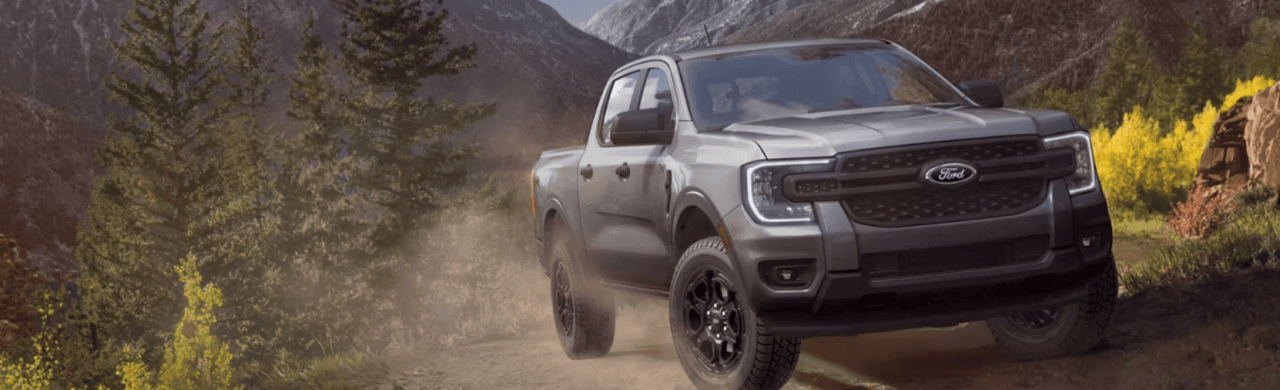
A midsize pickup can be a practical choice for drivers who need everyday transportation and occasional trailer capability. The 2026 Ford Ranger may fit that role, but choosing the right truck for towing involves more than looking at the model name. Engine, drivetrain, equipment, payload, trailer weight, and the specific configuration all matter.
For Kansas City shoppers, the first step is to define what the truck will tow. A small utility trailer, recreational equipment, and a loaded camper can place very different demands on a pickup. Comparing those needs with the exact Ranger configuration is essential before making a purchase.
Trailer towing requires a coordinated combination of vehicle capability and properly matched equipment. A truck's published maximum towing figure is useful, but it does not automatically describe what every version can handle.
The 2026 Ford Ranger is available in different configurations, and towing capability can depend on the selected powertrain, drivetrain, factory equipment, and other vehicle specifications. Buyers should confirm the rating for the exact truck under consideration rather than assume every Ranger has the same capacity.
Start by estimating the trailer's loaded weight. The weight listed in a trailer brochure may describe an unloaded or base model. Add the weight of cargo, water, equipment, accessories, and anything else that will travel inside it. If the trailer will carry recreational gear or supplies, account for those items as well.
Also consider how the trailer will be used. Frequent highway trips, steep grades, long distances, and repeated towing can make the demands of ownership different from occasional local hauling.
Before shopping, write down:
The trailer's estimated loaded weight
The trailer's tongue weight
The weight of passengers and cargo inside the Ranger
The distance and frequency of planned trips
Whether the route includes hills, highways, or congested roads
Any equipment or accessories that will be added to the truck
These details help turn a general towing question into a specific vehicle-selection decision.
When comparing a new Ford Ranger for towing, focus on the complete configuration instead of treating one feature as the deciding factor.
The engine and drivetrain are important starting points. Different powertrain and drivetrain combinations may have different ratings or equipment requirements. Ask which configuration is being considered and request the applicable towing information for that exact vehicle.
The factory tow equipment also deserves attention. Depending on the vehicle configuration and equipment package, towing-related hardware and technology may differ. A buyer should not assume that a truck has every desired towing component simply because it is advertised as tow-capable.
Review these areas during the shopping process:
Engine and drivetrain configuration
Factory-installed towing package or other towing equipment
Trailer hitch and receiver specifications
Trailer wiring and connector compatibility
Trailer brake controller availability and requirements
Payload rating and remaining payload capacity
Tire and loading information on the vehicle's certification label
Owner's manual guidance for towing and trailer setup
Payload is especially important. Tongue weight from a conventional trailer counts against the truck's available payload, along with passengers, luggage, tools, and accessories. A truck may have a towing rating that appears sufficient while still requiring a closer payload calculation for the way it will actually be loaded.
Technology can also make towing more manageable. Ask which driver-assistance and camera features are included on the specific Ranger. Confirm how each feature works while towing and whether any functions have limitations when a trailer is connected.
A towing equipment checklist can help prevent assumptions from becoming expensive surprises. Before purchasing, ask the dealership to identify the truck's factory equipment and show you the documentation supporting its towing specifications.
Useful questions include:
What is the maximum towing rating for this exact configuration?
Does the vehicle have the factory towing package?
Which hitch and wiring components are installed?
Is a trailer brake controller included, available, or required for the intended trailer?
What payload rating applies to this vehicle?
How should tongue weight be included in the payload calculation?
Are there restrictions based on trailer type, loading, or equipment?
What does the owner's manual specify for towing and trailer setup?
Compare the truck's ratings with the trailer manufacturer's information. Do not rely solely on a salesperson's general description or a maximum figure shown in broad model advertising. The vehicle's documentation and the trailer's actual loaded weight should guide the decision.
A professional inspection of the trailer, hitch, coupler, safety chains, lights, tires, and brakes is also worthwhile. Before the first trip, confirm that the trailer is properly connected and that its lights and braking system work as intended.
Towing is only one part of owning a midsize pickup. A Ranger that works well for a trailer should also suit daily driving, parking, passenger needs, and the cargo you regularly carry.
Kansas City drivers may use their trucks for a mix of commuting, errands, weekend recreation, and trips beyond the metro area. Consider how often the truck will tow compared with how often it will be driven without a trailer. A configuration selected primarily for towing should still meet expectations for everyday comfort and practicality.
Think about where the truck will be parked, how much passenger space is needed, and whether the bed will carry equipment when the trailer is not attached. If you expect to tow on highways around the metro area, consider how the combined truck-and-trailer length will affect lane changes, following distance, and parking.
Fuel use can also change when towing. Trailer weight, aerodynamics, speed, terrain, weather, and driving habits all influence consumption. Avoid building an ownership budget around an unloaded fuel-economy estimate if towing will be a regular activity.
Kansas City shoppers can compare available configurations and equipment through Ford Ranger listings near Kansas City. Review each listing carefully and confirm that the actual vehicle matches the towing requirements you have identified.
The best configuration depends on the trailer's loaded weight and the truck's specific ratings and equipment. Compare the engine, drivetrain, factory towing equipment, payload rating, and owner's manual information for each vehicle. Do not assume that every 2026 Ranger has an identical towing capacity.
The equipment required depends on the trailer and the vehicle configuration. A factory towing package may provide important towing-related components, but buyers should verify exactly what is installed and whether additional equipment is needed for their trailer. Confirm hitch, wiring, and brake-control requirements before towing.
Use the trailer's actual loaded weight, not just its advertised base weight. Compare that figure with the exact truck's towing rating, and account for tongue weight, passengers, cargo, and accessories when checking payload. Follow the vehicle and trailer manufacturers' requirements.
Yes. Tongue weight, passengers, luggage, tools, and installed accessories all use available payload. Even when a trailer falls within the truck's maximum towing rating, the truck can still be overloaded if its payload limits are exceeded.
Ask for the exact vehicle's towing rating, payload information, factory equipment list, hitch and wiring details, and relevant owner's manual guidance. Explain what trailer you plan to tow and how it will be loaded. That makes it easier to evaluate whether the configuration is appropriate.
A 2026 Ford Ranger can be worth considering when you want a midsize pickup with trailer capability, but the right choice starts with the trailer itself. Define the loaded weight, check the truck's payload and towing ratings, and verify the installed equipment. That preparation gives Kansas City buyers a more useful basis for comparing Ranger configurations.